
About Us
- Home
- About Us
About
Carver's Newasa Stone Work
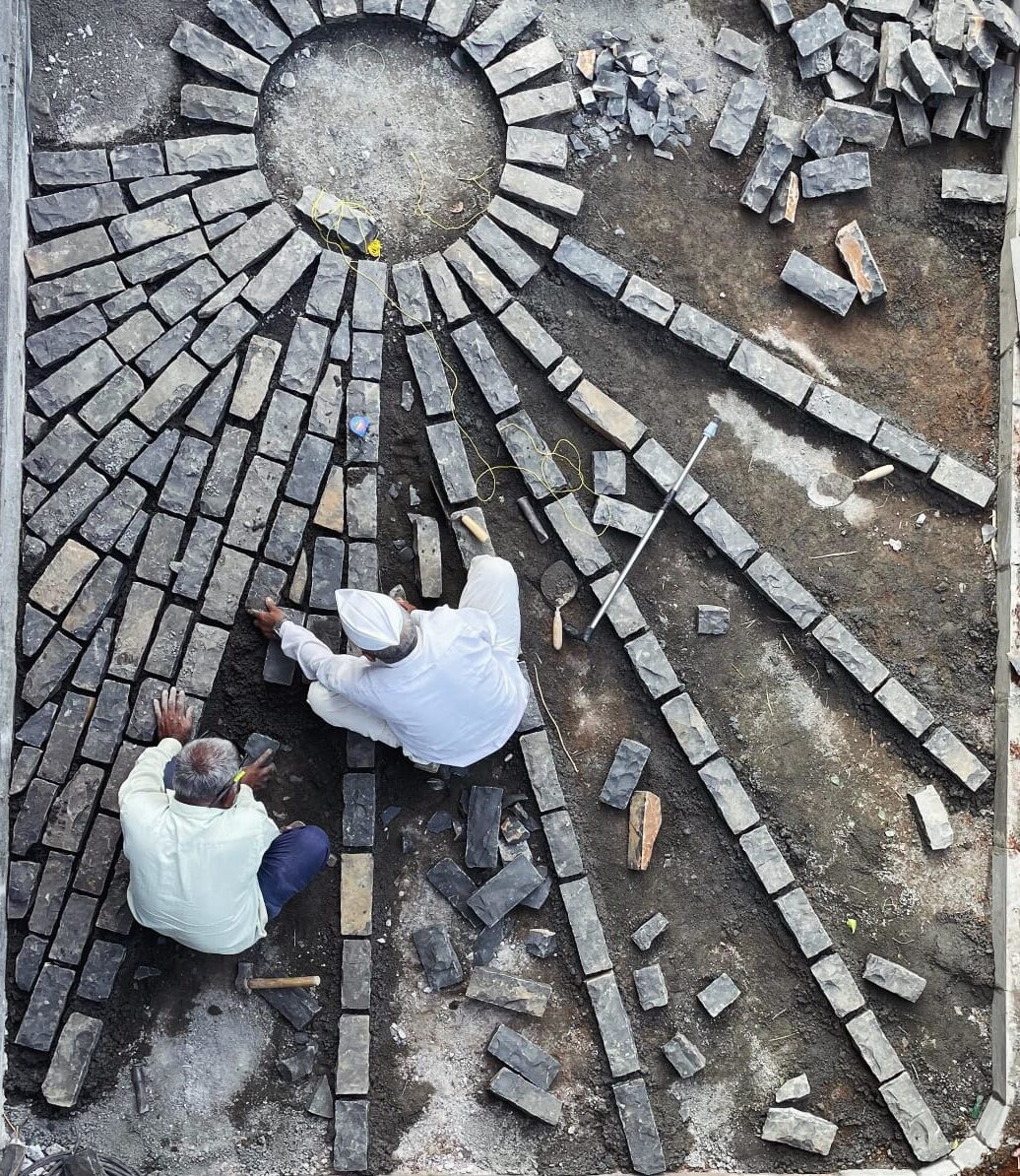
At the heart of our work is a deep reverence for the timeless elegance of traditional stone architecture and the delicate skill of stone carving. We specialize in the magnificent strength and beauty of basalt stone, honoring the legacy passed down through generations of master craftsmen. Our mission is not only about creating exceptional products but also about preserving the heritage and art of stonework. By seamlessly integrating traditional artistry with the precision of modern machine work—leveraging advanced technologies like 3D CNC and router machines—we are dedicated to reviving the traditional work and art of stonemasonry, ensuring its enduring beauty is accessible and relevant for the modern world.
- Basalt stone specialists
- Traditional artisans + modern machines
- Custom temple entrances, pillars, sculptures
What is Basalt Stone?
Engineering Properties of Basalt
Basalt is an extrusive igneous rock that usually contains 45–52%of silica (SiO2) and in comparison, to most common igneous rocks, is rich is iron-, calcium-, and magnesium-oxides. Basalt occurs indifferent colours like dark, grey, and greyish dark. Since basalt formation involves rapid cooling, it is characterized by fine to very fine grains. It formed by the rapid cooling of volcanic magma on the surface of Earth. Basalts are abundantly available in different parts of the world, including India. Basalt contains very good mechanical and physical properties and the main advantage is good resistance to chemically active environments. Basalts are composed mainly of fine grains of plagioclase feldspars and pyroxenes. It exhibits a fine-grained texture. Based on the mineralogical analysis, some of the minerals occur predominantly in granite, especially quartz, feldspar and mica, and typically it occurs as an intrusive igneous rock. Basalt contains feldspar, pyroxenes and olivine, and typical properties like black colour with vesicles from which gas escaped during their formation. Basalt occurs as an extrusive volcanic igneous rock. In both rocks, the physical properties are quite different from each other. Basalt has a density of 1934.5 kg/m3 at a temperature of 1050 ℃ and 2091.8 kg/m3 at 1100℃. Water absorption varies significantly from 15.8% at 1050 ℃ and 8.90% at 1100 ℃ temperature. Similarly, there is a significant variation in porosity with temperature as exemplified by 31.5% porosity at 1050 ℃ and 19.9% at1100 ℃. Based on mineralogical analysis basalt rocks are suitable for building materials. Selection of building stones is based on different criteria like mineralogical composition, textures, mineral grain size, durability, and hardness of the rock. The rock is formed by extrusive / Volcanic Igneous rock.
Mineralogical point of view it is made up of Feldspar, Pyroxene, Amphibole, and Olivine. It is presence of Black and grey with vesicles formed by escaping gases.
Selection of building material is very important in construction industries considering texture, grain sizes, and hardness. Durability, hardness, mineralogical composition, and appearance play avital role in the selection of building materials. These parameters are quite common all over the world. Fine-grained rocks will give more strength and are very hard whereas coarse-grained rocks are comparatively less strong. The rock should not be altered or change of colour even after exposure to air. Chemical composition especially lime, silica, and alumina are highly influencing in rock properties. Silica content in granite is quite high than basalt. It is 46.5 to 51.5% in basalt. Alumina is in basalt; it is 15 to 19%. Potassium oxide is 3 to 6% in basalt. The soda component in is 7.5 to 11.5% in basalts. Results of this work on basalt as building materials shows that there are significant variations in their basic physical parameters, which are very important for building materials. The difference in water absorbability at varied temperatures in basalt is very interesting. Chemical properties in basalt show significant variations in their silica and iron-oxide composition.
In short, the physical properties and the chemical composition are significantly different in case of basalt.
Based on mineralogical composition, texture, hardness, and grain sizes these rocks are suitable to use as building materials. Most of the civil engineering projects depend on raw materials like basalt as these rocks are hard, mostly compact, and are widely available at affordable price. Basalt aggregate powder is the raw building raw materials that are most demanded in the construction industry. Absorbability of basalt at varied temperatures show very good signature for building materials.
Reference:
C. Agasnalli, H.C. Hema, T. Lakkundi et al. 2022. Integrated assessment of granite and basalt rocks as building materials. Materials Today: Proceedings 62. Pp. 5388–5391
Amygdaloidal Basalt: Amygdaloidal texture refers to the presence of gas bubbles or vesicles that were trapped in the lava during its eruption and later filled with minerals after the rock solidified. These fillings, called amygdules, are typically rounded or almond-shaped (hence the name, derived from the Latin word for “almond”).
Chemical composition
Basalt’s overall composition is classified as mafic, meaning it’s rich in magnesium (Mg) and iron (Fe) and low in silica (SiO₂). Typical ranges for key elements include:
Silica (SiO₂): 45-52% – This major component defines basalt as a mafic rock. Higher silica content leads to other rock classifications like andesite.
Alkalis (Na₂O + K₂O): 2-5% – Relatively low compared to other rock types, reflecting the abundance of magnesium and calcium in basalt.
Iron oxides (FeO and Fe₂O₃): 5-14% – These oxides contribute to the dark color and give basalt its high density.
Calcium oxide (CaO): ~10% – A key component of plagioclase feldspar, a dominant mineral in basalt.
Magnesium oxide (MgO): 5-12% – Another major component, signifying the abundance of magnesium-rich minerals like olivine and pyroxene.
Aluminum oxide (Al₂O₃): 14% or more – This oxide forms the backbone of feldspar and pyroxene minerals.
Other elements: Trace amounts of elements like titanium, phosphorus, and manganese are also present.
Basalt Mineral Composition
Basalt, the Earth’s most common igneous rock, exhibits a distinctive mineralogical composition that defines its physical and chemical characteristics. This composition is dominated by a specific assemblage of rock-forming minerals, each playing a crucial role in the rock’s genesis and properties.
Primary Minerals
Plagioclase Feldspar (50-65%): This calcium-rich feldspar forms the backbone of basalt, with labradorite being the most common variety. Its presence indicates crystallization at high temperatures.
Pyroxene (20-35%): These silicate minerals, commonly augite or pigeonite, come in various forms depending on the specific elements present. They contribute to basalt’s dark color and toughness.
Olivine (0-15%): This magnesium-iron silicate is often present in high-temperature basalts, but its abundance can vary depending on the cooling rate and composition of the magma. Its presence indicates rapid cooling.
Magnetite (5-10%): This iron oxide mineral contributes to basalt’s magnetic properties and can be extracted for industrial use.
Accessory Minerals:
Apatite, Amphibole, Biotite: These minerals can be present in varying amounts depending on the specific type of basalt and its formation conditions.
Basalt Properties
Color: While typically described as black, basalt can exhibit a range of hues due to variations in mineral composition and oxidation. Shades of grey, green, and even reddish-brown are possible.
Texture: Basalt exhibits a wide range of textures, from fine-grained and aphanitic (almost glass-like) to coarse-grained and porphyritic (containing larger crystals within a finer matrix). These variations arise from differences in cooling rates and magma composition.
Hardness: Basalt is a relatively hard rock, typically falling between 5-6 on the Mohs scale of mineral hardness. This makes it resistant to weathering and erosion, contributing to its widespread presence on Earth’s surface.
Mineral Composition: Primarily composed of silicate minerals, basalt typically contains plagioclase feldspar, pyroxene (augite and diopside), and sometimes olivine. Accessory minerals like magnetite, ilmenite, and apatite can also be present.
Composition: Basalt’s chemical composition is dominated by silicon dioxide (SiO₂) (45-52%) and aluminum oxide (Al₂O₃) (14-18%), along with significant amounts of iron oxides (FeO, Fe₂O₃) (5-14%), calcium oxide (CaO) (around 10%), and magnesium oxide (MgO) (5-12%). The relative abundance of these elements determines the specific type of basalt.
Density: Basalt is a relatively dense rock, typically with a density between 2.7 and 3.0 g/cm³. This density contributes to its role in forming the ocean floor and shaping volcanic features.
Weathering Resistance: While resistant to physical weathering like erosion, basalt can be susceptible to chemical weathering due to the presence of minerals like feldspar and olivine. This can lead to the breakdown of the rock and the formation of clay minerals.
Magnetism: Basalt often contains iron oxides, which can give it magnetic properties. This can be useful for understanding the Earth’s magnetic field and the history of plate tectonics.
Our Mission
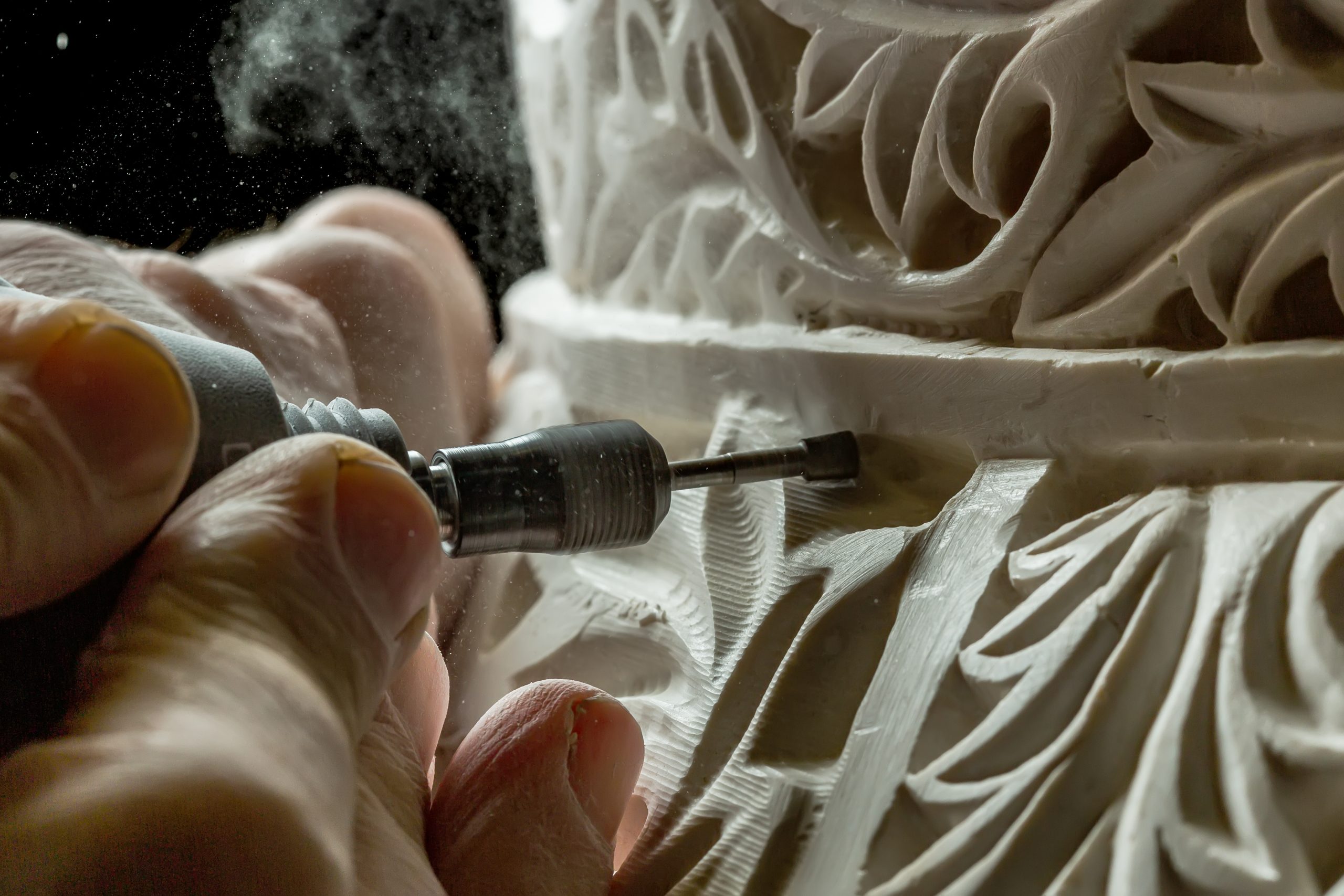
Our mission is to preserve, elevate, and modernize the timeless art of basalt stone craftsmanship. We are dedicated to reviving the heritage of traditional stone carving by combining the skill, passion, and wisdom of master artisans with the precision and efficiency of advanced technologies such as 3D CNC and router machining.
We aim to produce stonework that is not only architecturally strong and visually stunning but also culturally meaningful, carrying forward the legacy of generations who shaped temples, pillars, sculptures, and monumental structures with unmatched dedication.
Through our work, we strive to create sustainable livelihoods for craftsmen, promote the beauty of locally sourced basalt, and introduce the world to the exceptional quality, durability, and artistic value that this stone represents. Our mission is to ensure that the past inspires the future—through stone, through craftsmanship, and through innovation.
Our Vision
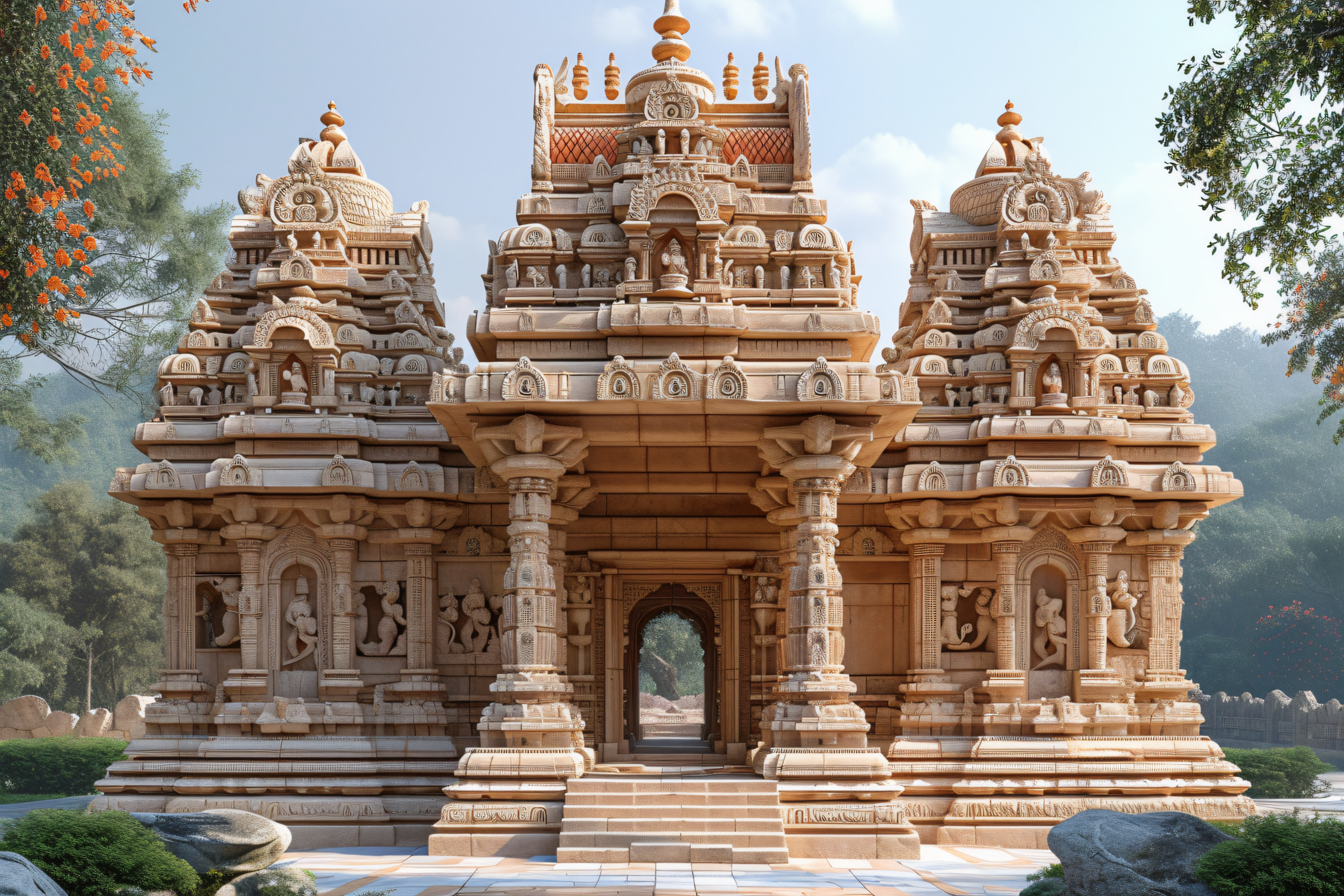
Our vision is to establish a global standard for modern basalt stone architecture and artistic stonework. We aim to become a leading force in the revival of traditional Indian stone craftsmanship by blending heritage with innovation, creativity with precision, and culture with contemporary design.
We envision a future where basalt stone is recognized not just as a building material but as a symbol of timeless beauty, engineering excellence, and cultural pride. We aspire to contribute to iconic architectural projects, create long-lasting structures, introduce advanced stoneworking techniques, and showcase the beauty of handcrafted stone to worldwide audiences.
At the heart of our vision is a commitment to sustainability, artisan empowerment, and global cultural representation—ensuring that the ancient artistry of stone carving continues to inspire, evolve, and thrive for generations to come.

Manoj Salve
Founder
Founder's Message
Hello, I’m Manoj Salve, and I invite you to explore the world of basalt stone with us.
My journey began with a deep, personal fascination with traditional stone architecture and crafts. I grew up watching the beauty of stone shaped by the hands of master artisans. However, I witnessed a disheartening trend: the beautiful, rich stone from my native village—a stone that holds our cultural history—was rapidly losing its value. This was due to the rise of mass-produced granite and other imported stone, which often overshadowed our traditional, locally sourced material.
I founded this company with a clear and urgent mission: to revive this tradition and culture. We believe that by marrying the age-old skills of our craftsmen with modern technology, we can restore the prestige of our basalt stone. More than just selling products, we are committed to directly uplifting the lives of our local artisans, providing them with a platform to practice their craft and earn a sustainable living.
Our ultimate goal is to create a global impression of basalt stone, showcasing its unique character, durability, and versatility to the world. Every stone product you purchase from us is a piece of art, a preservation of heritage, and an investment in a community.
Thank you for being a part of this revival.