
Basalt Knowledge
- Home
- Basalt
What is Basalt Stone?
Basalt is an extrusive igneous rock that usually contains 45–52% of silica (SiO2) and in comparison, to most common igneous rocks, is rich is iron, calcium, and magnesium-oxides. Basalt occurs indifferent colours like dark, grey, and greyish dark. Since basalt formation involves rapid cooling, it is characterized by fine to very fine grains. It formed by the rapid cooling of volcanic magma on the surface of Earth. Basalts are abundantly available in different parts of the world, including India. Basalt contains very good mechanical and physical properties and the main advantage is good resistance to chemically active environments. Basalts are composed mainly of fine grains of plagioclase feldspars and pyroxenes. It exhibits a fine-grained texture. Based on the mineralogical analysis, some of the minerals occur predominantly in granite, especially quartz, feldspar and mica, and typically it occurs as an intrusive igneous rock. Basalt contains feldspar, pyroxenes and olivine, and typical properties like black colour with vesicles from which gas escaped during their formation. Basalt occurs as an extrusive volcanic igneous rock. In both rocks, the physical properties are quite different from each other. Basalt has a density of 1934.5 kg/m3 at a temperature of 1050 ℃ and 2091.8 kg/m3 at 1100℃. Water absorption varies significantly from 15.8% at 1050 ℃ and 8.90% at 1100 ℃ temperature. Similarly, there is a significant variation in porosity with temperature as exemplified by 31.5% porosity at 1050 ℃ and 19.9% at1100 ℃. Based on mineralogical analysis basalt rocks are suitable for building materials. Selection of building stones is based on different criteria like mineralogical composition, textures, mineral grain size, durability, and hardness of the rock. The rock is formed by extrusive / Volcanic Igneous rock.
Engineering Properties of Basalt
Basalt’s overall composition is classified as mafic, meaning it’s rich in magnesium (Mg) and iron (Fe) and low in silica (SiO₂). Typical ranges for key elements include:
Silica (SiO₂): 45-52% – This major component defines basalt as a mafic rock. Higher silica content leads to other rock classifications like andesite.
Alkalis (Na₂O + K₂O): 2-5% – Relatively low compared to other rock types, reflecting the abundance of magnesium and calcium in basalt.
Iron oxides (FeO and Fe₂O₃): 5-14% – These oxides contribute to the dark color and give basalt its high density.
Calcium oxide (CaO): ~10% – A key component of plagioclase feldspar, a dominant mineral in basalt.
Magnesium oxide (MgO): 5-12% – Another major component, signifying the abundance of magnesium-rich minerals like olivine and pyroxene.
Aluminum oxide (Al₂O₃): 14% or more – This oxide forms the backbone of feldspar and pyroxene minerals.
Other elements: Trace amounts of elements like titanium, phosphorus, and manganese are also present.
Basalt Mineral Composition
Basalt, the Earth’s most common igneous rock, exhibits a distinctive mineralogical composition that defines its physical and chemical characteristics. This composition is dominated by a specific assemblage of rock-forming minerals, each playing a crucial role in the rock’s genesis and properties.
Primary Minerals
Plagioclase Feldspar (50-65%): This calcium-rich feldspar forms the backbone of basalt, with labradorite being the most common variety. Its presence indicates crystallization at high temperatures.
Pyroxene (20-35%): These silicate minerals, commonly augite or pigeonite, come in various forms depending on the specific elements present. They contribute to basalt’s dark color and toughness.
Olivine (0-15%): This magnesium-iron silicate is often present in high-temperature basalts, but its abundance can vary depending on the cooling rate and composition of the magma. Its presence indicates rapid cooling.
Magnetite (5-10%): This iron oxide mineral contributes to basalt’s magnetic properties and can be extracted for industrial use.
Accessory Minerals:
Apatite, Amphibole, Biotite: These minerals can be present in varying amounts depending on the specific type of basalt and its formation conditions.
Why Choose Basalt for Architecture & Stonework?
- Exceptionally Strong & Dense
- Non-porous and highly weather-resistant
- Perfect for heavy-load structures like pillars & temples
- Low water absorption, high durability
- Ideal for carving, shaping, and fine detailing
- Suits both traditional and modern designs
- Long lifespan with minimal maintenance
Types of Basalt We Work With
- Compact Basalt – For pillars, shikharas, temples
- Amygdaloidal Basalt – With mineral-filled patterns
- Basalt Blocks – Strong structural material
- Basalt Slabs – Flooring, wall cladding
- Basalt Sculpting Stone – For carvings & art pieces
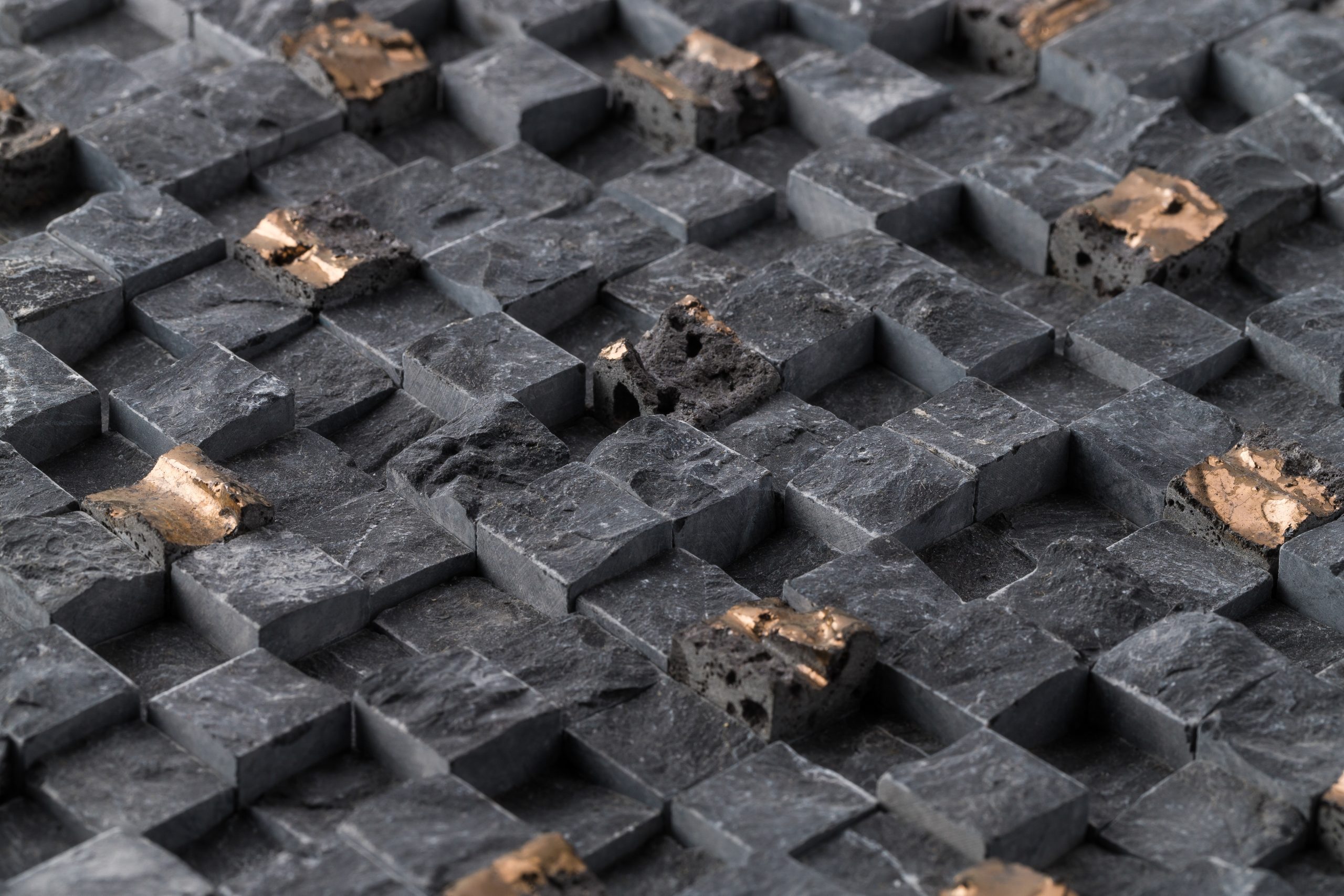
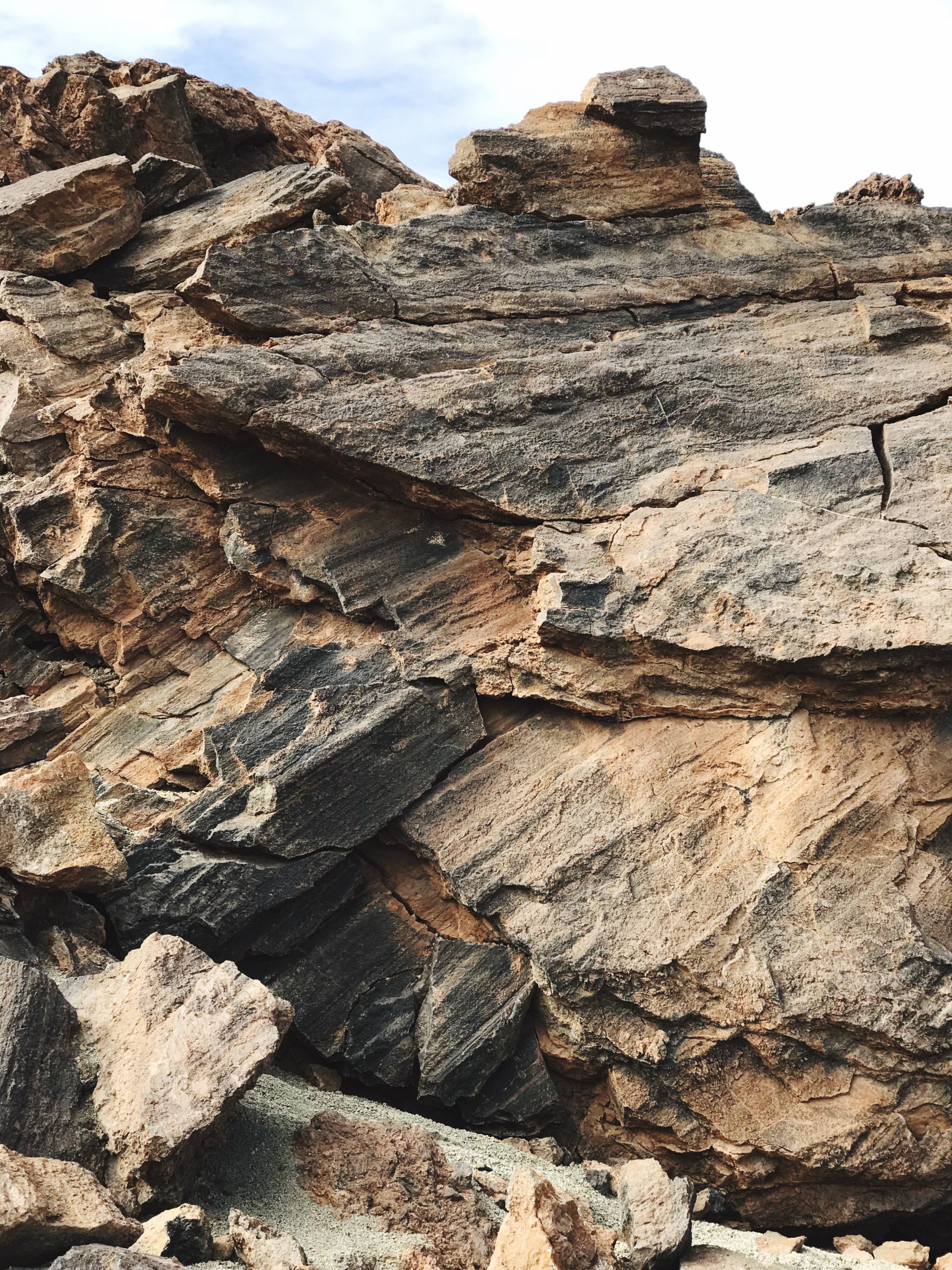
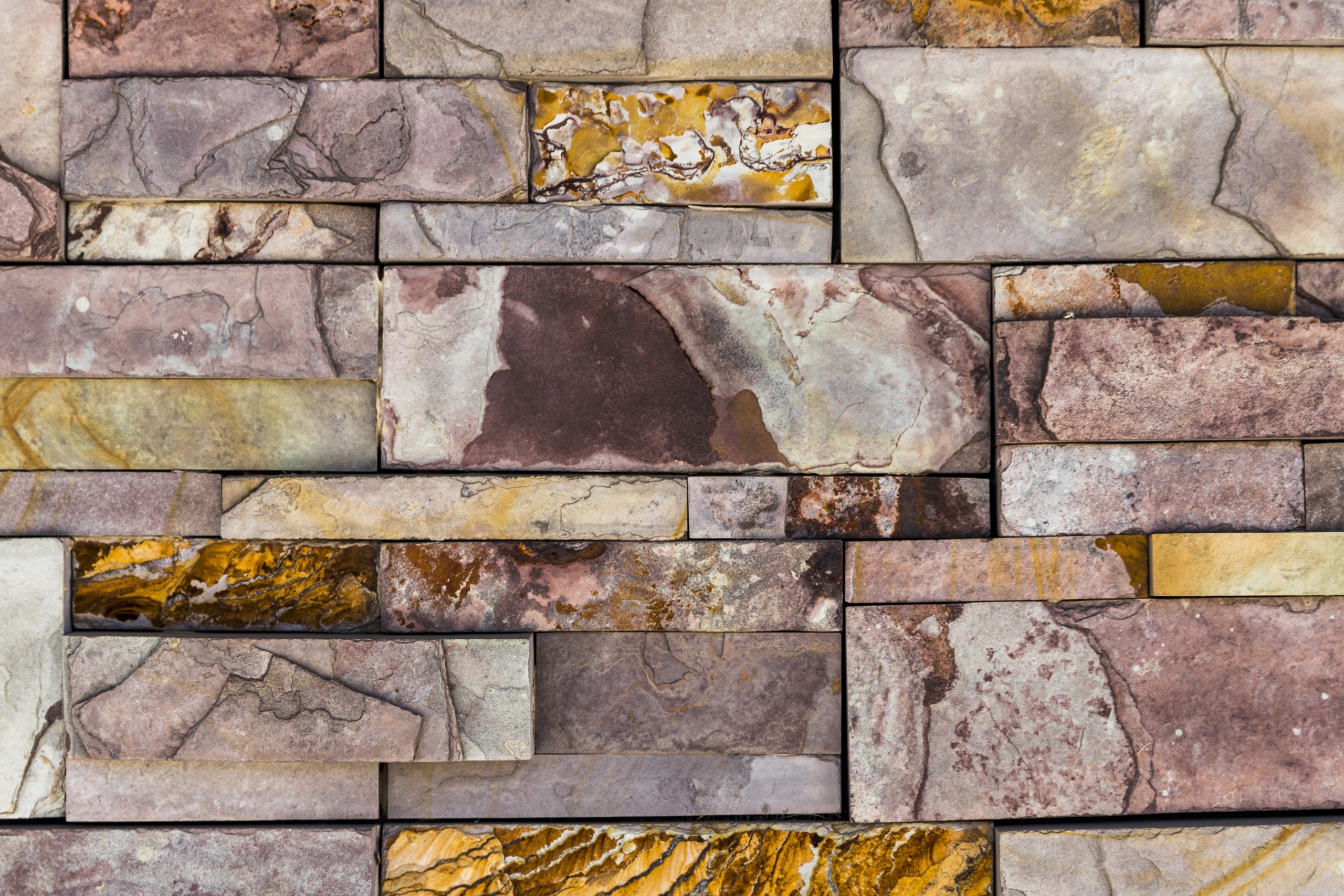
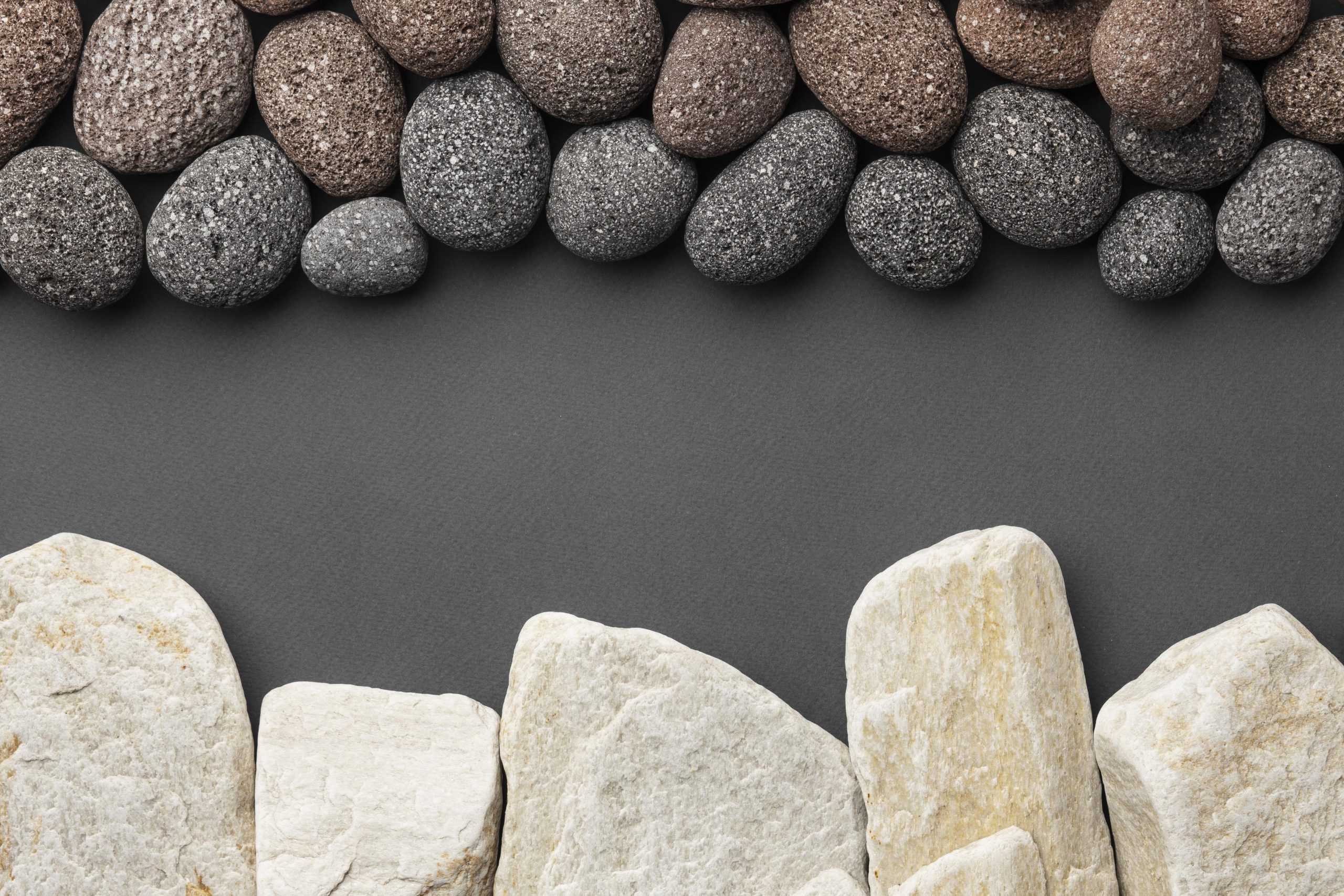
Where Basalt Stone Is Used?
- Temple construction
- Pillars, columns, beams
- Shikharas (temple towers)
- Wall cladding and flooring
- Sculptures, religious idols (if applicable)
- Garden & landscape architecture
- Stone gateways, door frames
- Monuments and memorials
- Customized architectural art pieces